Everyday ABA
with Christina Calzadilla
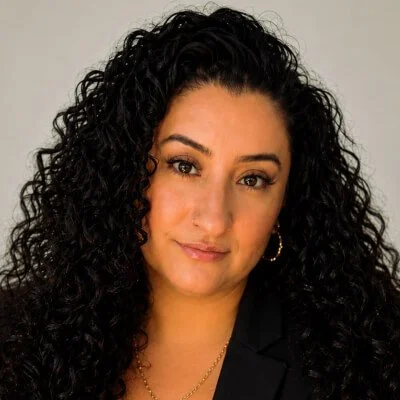
Behavior Bites Podcast - Ep79August 26, 2026Is it more important to be professional or to be yourself?
How many behavior analytic principles do you engage in during your day-to-day life?
During today’s meal — I speak with a behavior analyst about disseminating to the general public, what she wishes she could tell herself when she started in the field, and connecting behavior science and dating.
-
Amuse-Bouche
Could you share your love of talking about behavior in relationships, dating, and communication?
Appetizer
How did you get into Behavior Analysis?
What area would you work in if you left autism services?
What are examples of how people can use behavior analysis in everyday life?
Palate Cleanser
Describe the worst meal you’ve had on a date.
Entree
Something you wish you could have told yourself when you were getting started?
As someone who doesn’t like using social media, what have you learned having to use it for your business?
Dessert
Your favorite thing about what you do?
Excerpts from the Episode
(*Paraphrased highlights)-
I’d love to make behavior science accessible to everyone. We all experience behavior every day (home, at work, in relationships, etc.) all while trying to build habits or break them. However, most people never get exposed to the science behind it.
My dream would be to expand my platform so people could understand behavior in a way that's practical, evidence-based, and actually enjoyable. Whether that's through speaking publicly, collaborating, videos, or education, I'd love for behavior analysis to become something people use in everyday life instead of something they only associate with autism or clinical settings.
I'm hoping to get there with Function Behavioral Connection.
-
I would've told myself to relax a little.
I came into the field thinking I needed to have every answer and get every intervention exactly right, because we’re seen as the “experts”.
Over time, I realized behavior analysis isn't just about applying the science correctly. It's about working with real people, in real environments, with real challenges.
The best BCBAs I've learned from and have grown to respect aren't necessarily the ones who know the most, but the ones who know how to build relationships, solve problems, and adapt without losing sight of the science.
Nobody cares how many journal articles you've published or how many letters are behind your name if they don't trust you or feel supported enough to actually use what you know.
-
In terms of being a BCBA in the autism space, it truly changed my life. I have learned more about myself, about others, and about unconditional love through autistic individuals, more than I have from experiences with anybody else. Especially working with the littles, to see them learn something you taught them for the first time, that's invaluable to see.
Adults who couldn't navigate day to day living and had limited supports (because we all know what happens after transition age), to see them thriving in a space where they can navigate society, maybe not fully independently but as independently as possible to maybe hold jobs and handle daily routines with limited support.
You don't realize how much of an impact you have until the permanent product. You’re graphing your reports, your day to day is pretty mundane as a behavior analyst, but seeing the change in the direct work is very, very valuable to me.
The other side of things is where I’m working towards practicing ABA for everyday. Finding connections in the ABA space with BCBAs who I have been really inspired by, or see that they're in a position where I want to be, and to be able to network with those individuals and have them say what I’m doing is awesome and really helpful. That's been impactful to me.
Also, understanding behavior analysis truly changed me into becoming curious instead of judgmental. When someone is struggling, the question stops being, "What's wrong with this person?" and becomes, "What makes this behavior make sense to them?" Once you start looking at the world that way, you can't really turn it off. I find myself analyzing most human interactions (as I’m sure most BCBAs do!) and it's made me a more compassionate clinician and honestly a more compassionate person.
ABOUT Christina
Christina Calzadilla, M.S., BCBA, LBA (CT)
Christina Calzadilla is a Board Certified Behavior Analyst, Data Coordinator, and behavior science educator with over a decade of experience in behavioral analysis. Although her career has centered on supporting autistic individuals and their families, her passion extends far beyond the clinic.
She is fascinated by human behavior in all its forms: from habits and motivation to relationships, health, marketing, and the environments that shape our everyday decisions. Christina believes that behavior science shouldn't be reserved for textbooks or therapy sessions. It should be something everyone can understand and use.
Through education, conversation, and practical application, her mission is to make behavior science more accessible and show that every behavior has a function.
CONNECT with Christina
Instagram: @function.behavioralTikTok: @function.behavioralPlease support our podcast by leaving a rating or review!

(When on Apple Podcasts, scroll down the episodes to find the review area.)
Visit my Podcast page to learn more about Behavior Bites!